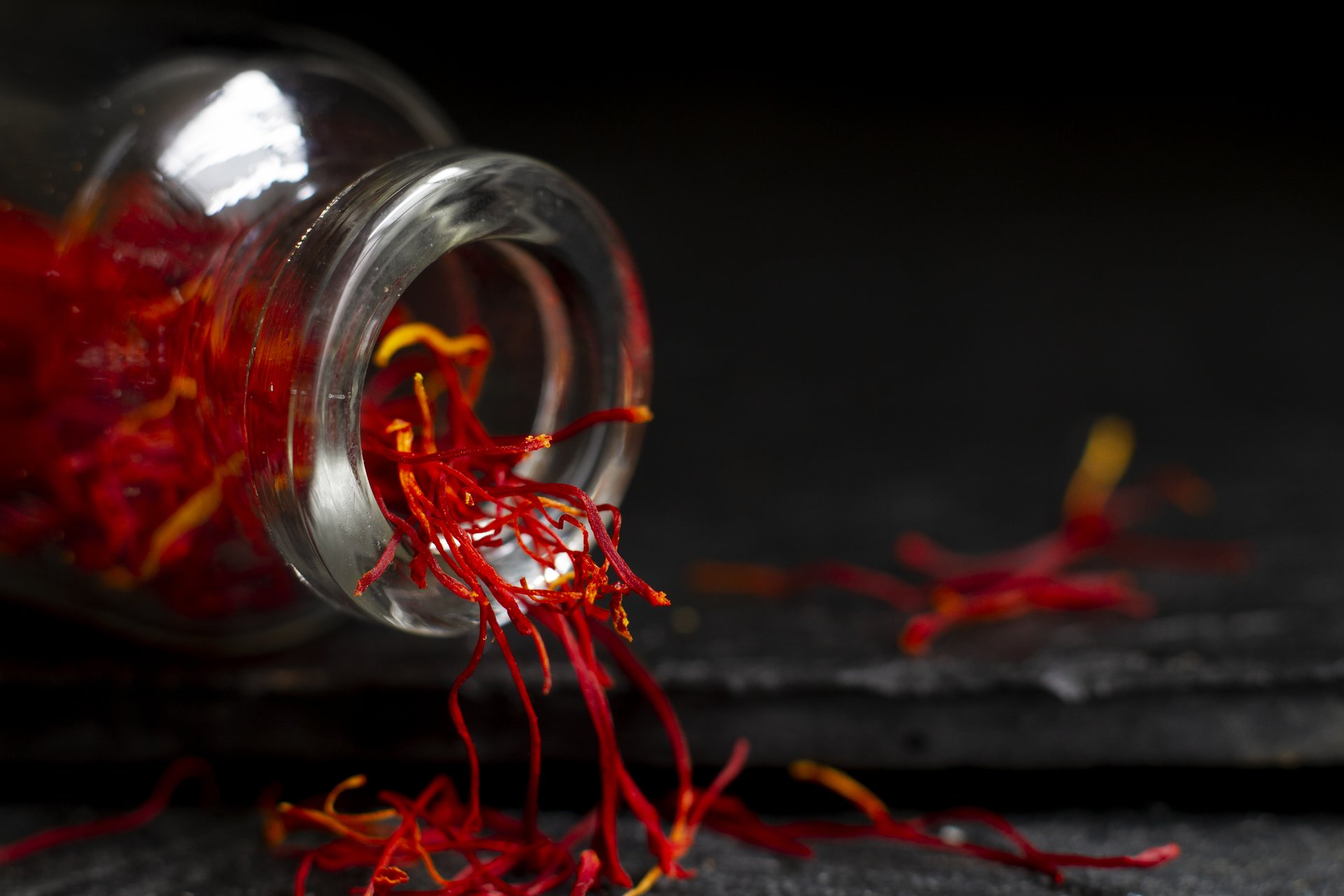
Many home cooks buy saffron once, use a pinch, and then forget the jar at the back of the spice drawer. That is a shame, because this ancient spice is far more versatile than most people realise. At Bakhchane Cooperative, our members cook with saffron every day — in savoury dishes, sweets, and even drinks. Here are five of our favourite ways to use it, along with the one essential technique you must master first.
How to Bloom Saffron: The Essential First Step
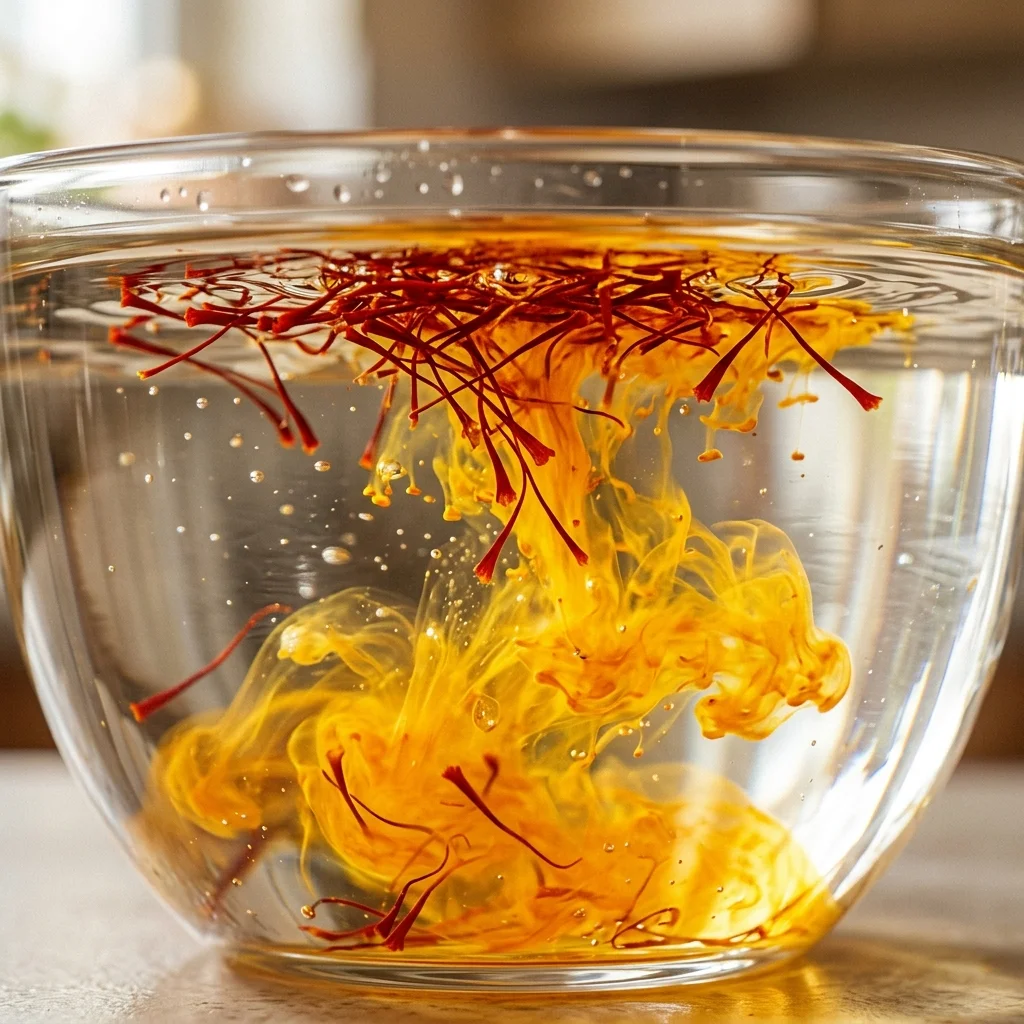
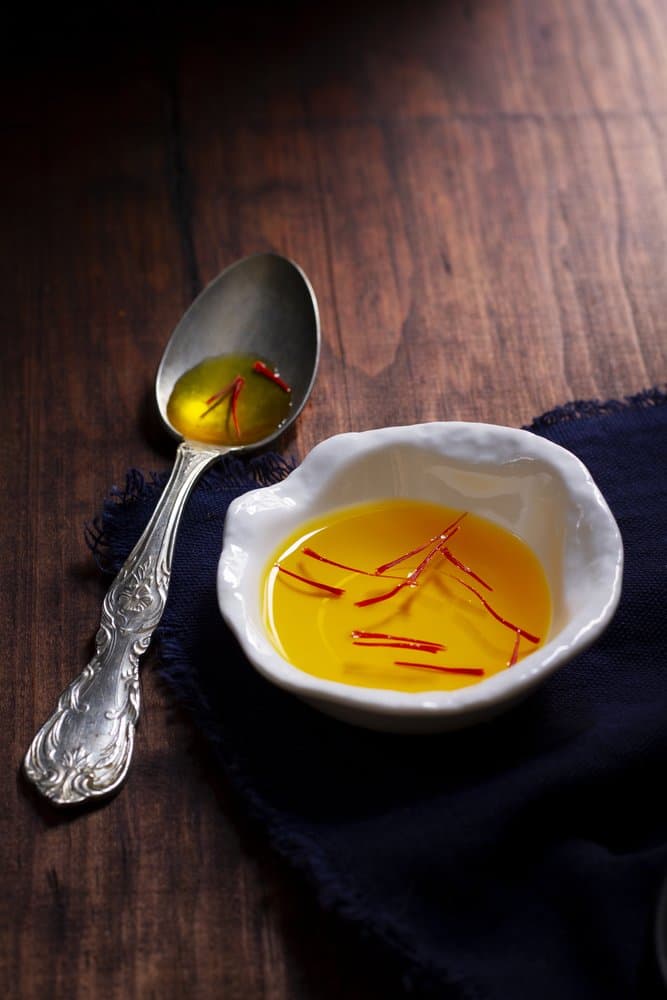
Before adding saffron to any recipe, you need to “bloom” the threads. This simply means soaking them in a small amount of warm liquid — water, broth, or milk — for at least 15 to 20 minutes. Blooming releases the water-soluble crocin pigment and the aromatic safranal, ensuring that the colour and flavour distribute evenly through your dish instead of staying locked inside the dry threads.
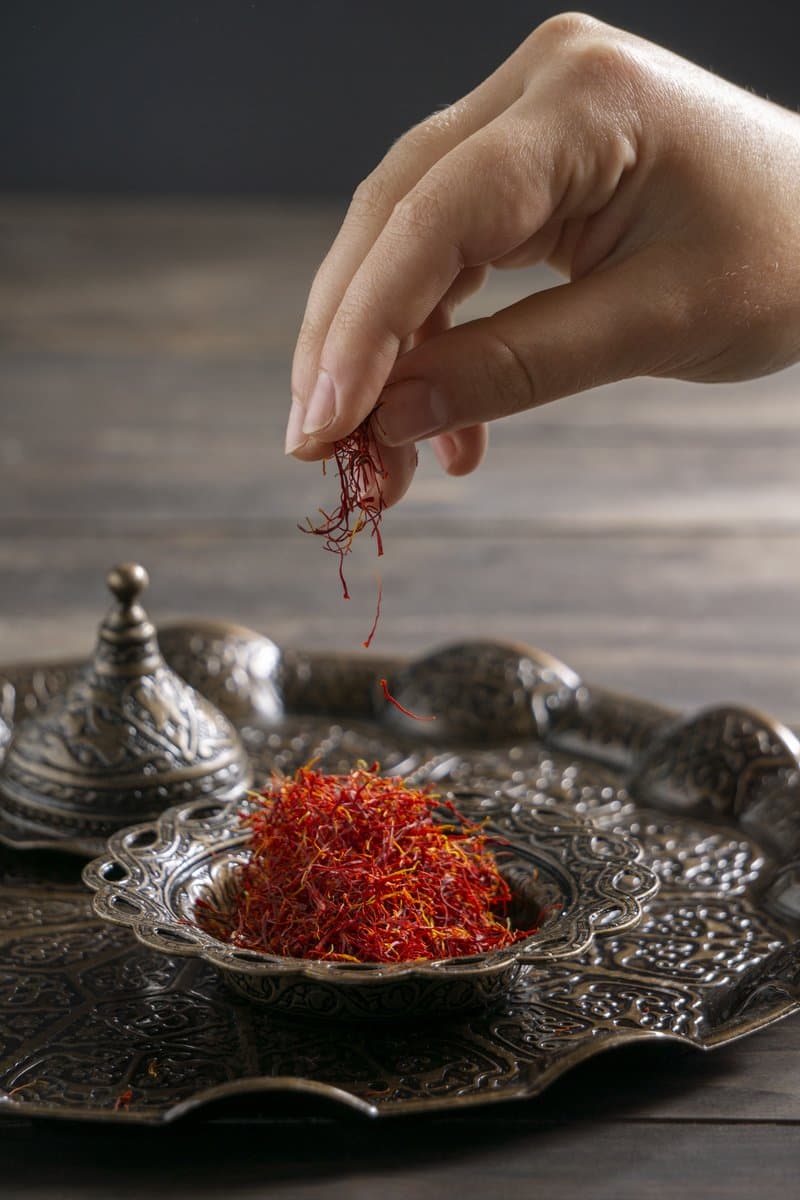
For most recipes, take a generous pinch of threads (about 15 to 20 strands), lightly crush them between your fingers, and steep them in two tablespoons of warm liquid. The liquid will turn a vivid gold within minutes. Add both the liquid and the softened threads to your dish at the stage indicated in the recipe. Never toss dry threads directly into a hot pan — the heat can destroy the delicate aromatics before they have a chance to infuse.
1. Saffron Rice and Risotto
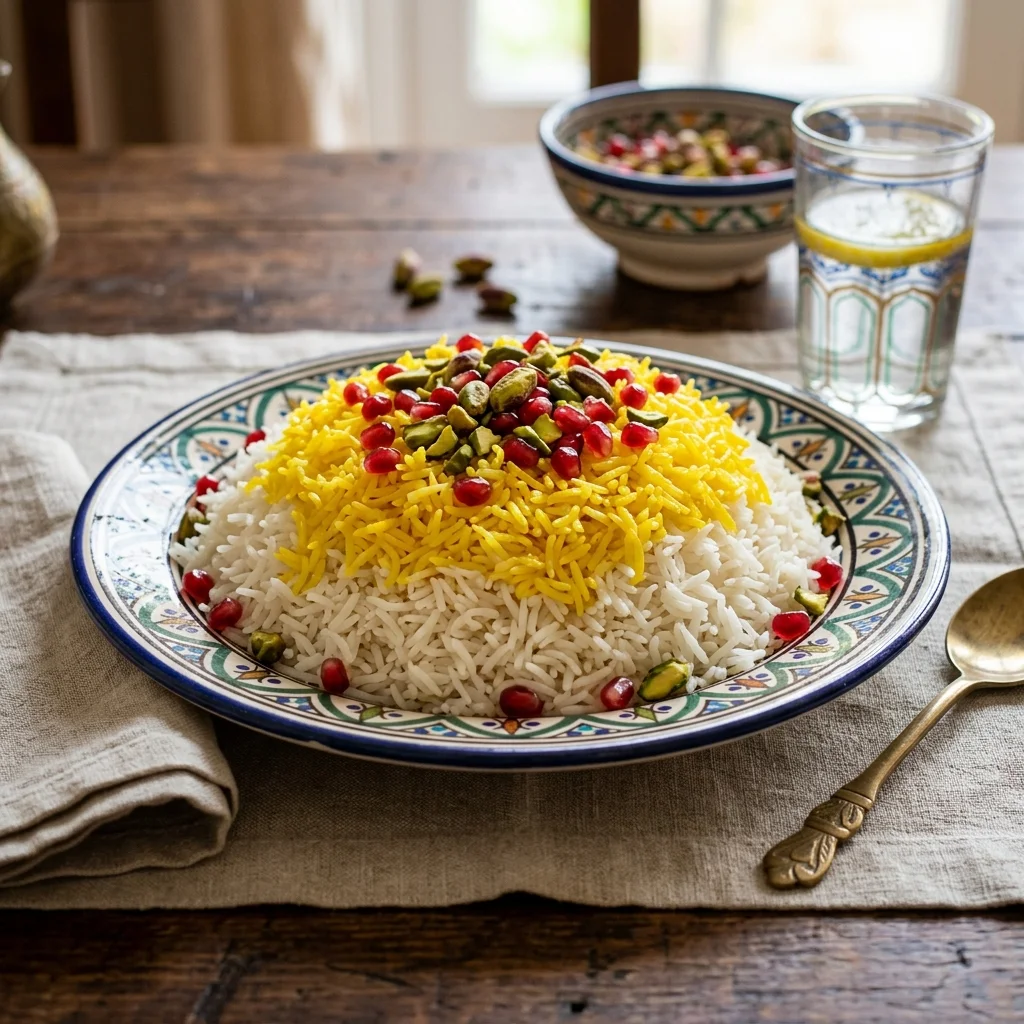
This is the most classic use of saffron worldwide. Whether you are making Persian tahdig, Indian biryani, Spanish paella, or Italian risotto alla milanese, the method is similar: bloom your saffron in warm broth, then use that broth to cook the rice. The result is a stunning golden colour and a subtle floral depth that elevates the grain from a side dish to a centrepiece.
For a simple saffron rice, rinse 300 grams of basmati rice, sauté it briefly in a tablespoon of butter with a pinch of salt, then add 500 millilitres of chicken or vegetable broth in which you have bloomed a generous pinch of saffron. Cover, cook on low heat for 18 minutes, and let it rest for five minutes before fluffing. The fragrance when you lift the lid is unforgettable.
2. Moroccan Tagine with Saffron
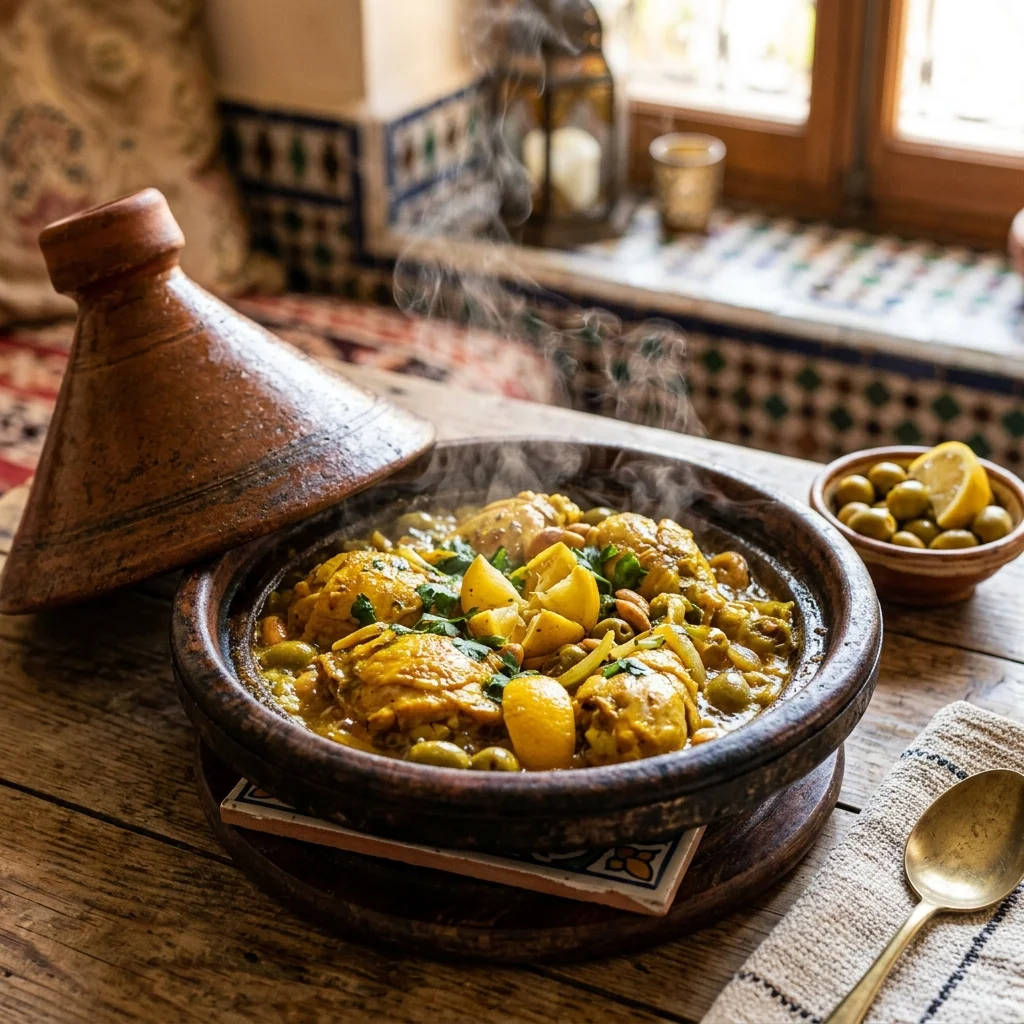
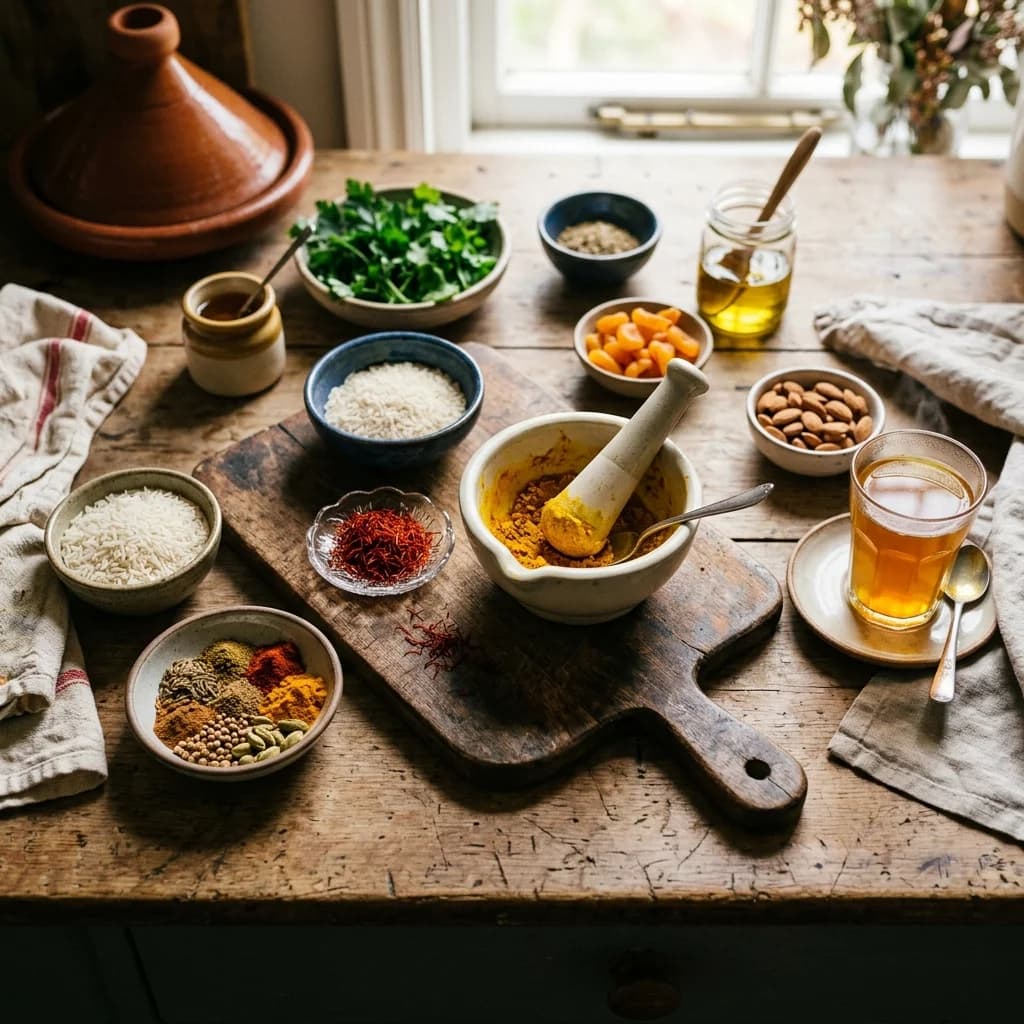
In Moroccan cuisine, saffron appears in nearly every tagine. It works beautifully with chicken, lamb, and vegetables alike. A traditional chicken tagine from the Taliouine region calls for chicken pieces browned with onions, a pinch of bloomed saffron, half a teaspoon of ground ginger, a cinnamon stick, and a handful of green olives and preserved lemons added near the end of cooking.
The slow braising in a clay tagine pot allows the saffron to meld with the other spices into a complex, aromatic sauce. If you do not own a tagine, a heavy Dutch oven with a tight lid works nearly as well. Cook on a low flame for 45 minutes to an hour until the chicken is falling off the bone, and serve with crusty bread to soak up the golden sauce.
3. Saffron Tea
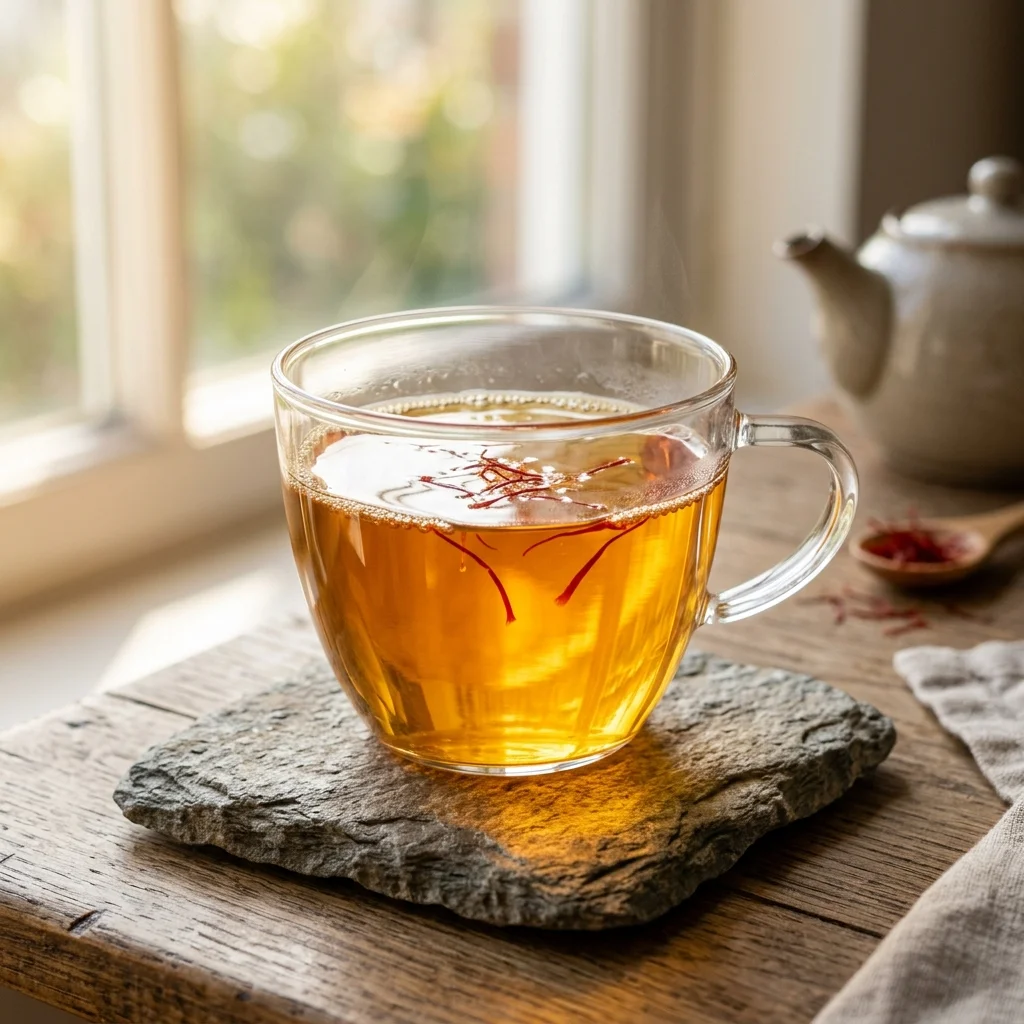
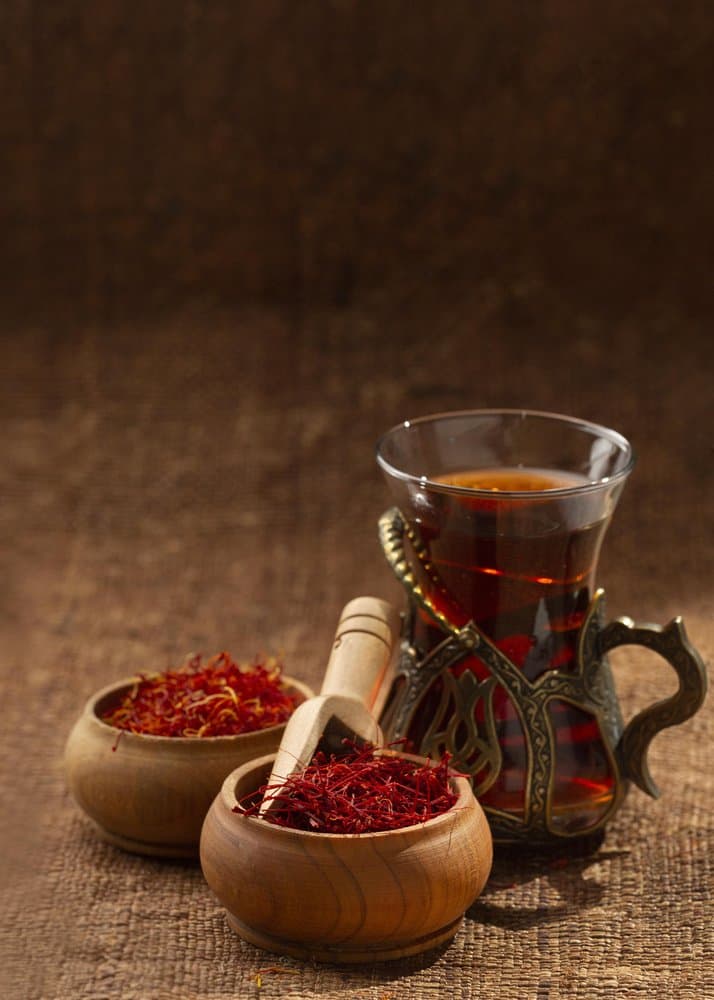
Saffron tea is a beloved tradition in Morocco, Iran, and India. It is simple to prepare: steep five to seven saffron threads in a cup of just-boiled water for five to eight minutes. You can sweeten with honey if you like, or add a few crushed cardamom pods for extra warmth. The tea is naturally caffeine-free and has a soothing, faintly sweet flavour with floral undertones.
Many people drink saffron tea for its reported mood-lifting properties. While we are saffron producers rather than medical professionals, published research — including meta-analyses in the Journal of Integrative Medicine — suggests that saffron supplementation may support positive mood. At the very least, the ritual of preparing and sipping a golden cup of saffron tea is a calming pleasure in itself.
4. Saffron in Desserts
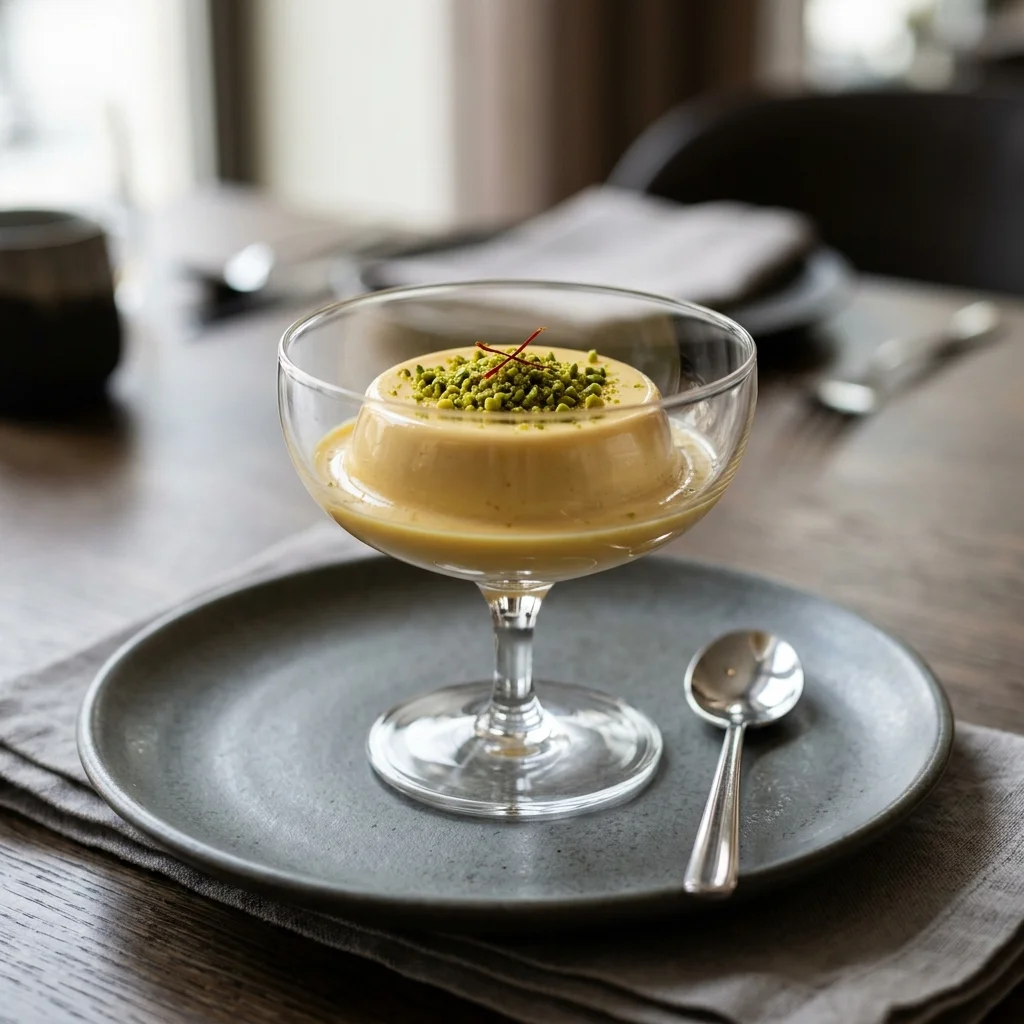
Saffron pairs wonderfully with dairy and sugar. Some ideas to try: steep saffron in warm milk, then use that milk to make a crème brûlée, panna cotta, or rice pudding. In Morocco, saffron often appears in “sellou,” a rich confection of roasted flour, almonds, sesame seeds, butter, and honey. Indian “kheer” (rice pudding with saffron and pistachios) is another classic. The spice gives desserts a pale gold colour and a floral complexity that replaces the need for vanilla.
For a quick saffron ice cream, bloom a generous pinch of threads in 100 millilitres of warm whole milk for 30 minutes. Mix with 400 millilitres of heavy cream, 150 grams of sugar, and a pinch of salt. Churn in an ice cream maker according to the manufacturer’s instructions. The result is silky, aromatic, and a beautiful shade of pale gold.
5. Saffron in Soups and Seafood
French bouillabaisse, the iconic Provençal fish stew, would not exist without saffron. Any seafood soup or chowder benefits from the addition of a pinch of bloomed threads — the flavour of saffron has a natural affinity with fish, shrimp, and shellfish. Add the bloomed saffron to the broth base early in cooking so it has time to perfume the entire dish.
A simple saffron mussel broth is an impressive starter: sauté shallots and garlic in butter, add a splash of white wine and your bloomed saffron, then toss in cleaned mussels and cover. In five minutes the mussels open and you have a stunning golden broth. Serve with grilled bread.
Dosage Guide
Saffron is potent — a little goes a long way. As a general rule, use 15 to 20 threads (roughly 0.1 grams) per serving for four people. For a large pot of rice or soup, a quarter gram is usually sufficient. More is not better: too much saffron can lend a medicinal, bitter taste. Start conservatively, taste, and add more next time if you want a stronger flavour.
Store your saffron in an airtight container away from light and heat. Under proper conditions, whole threads keep their potency for two to three years. Ready to start cooking? Order fresh Taliouine saffron from our current harvest and discover what real saffron can do for your food.