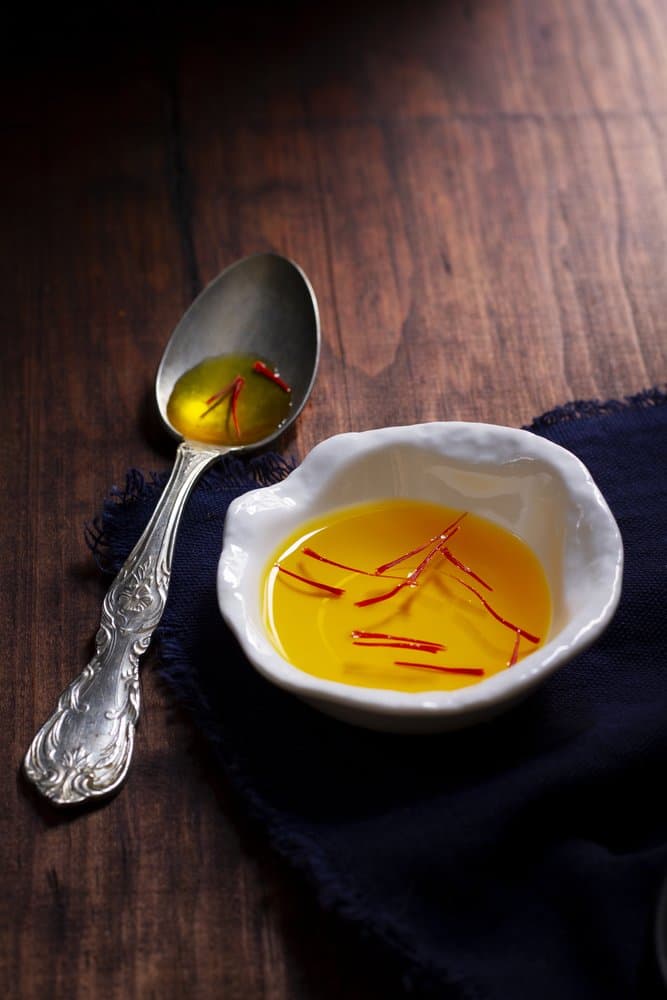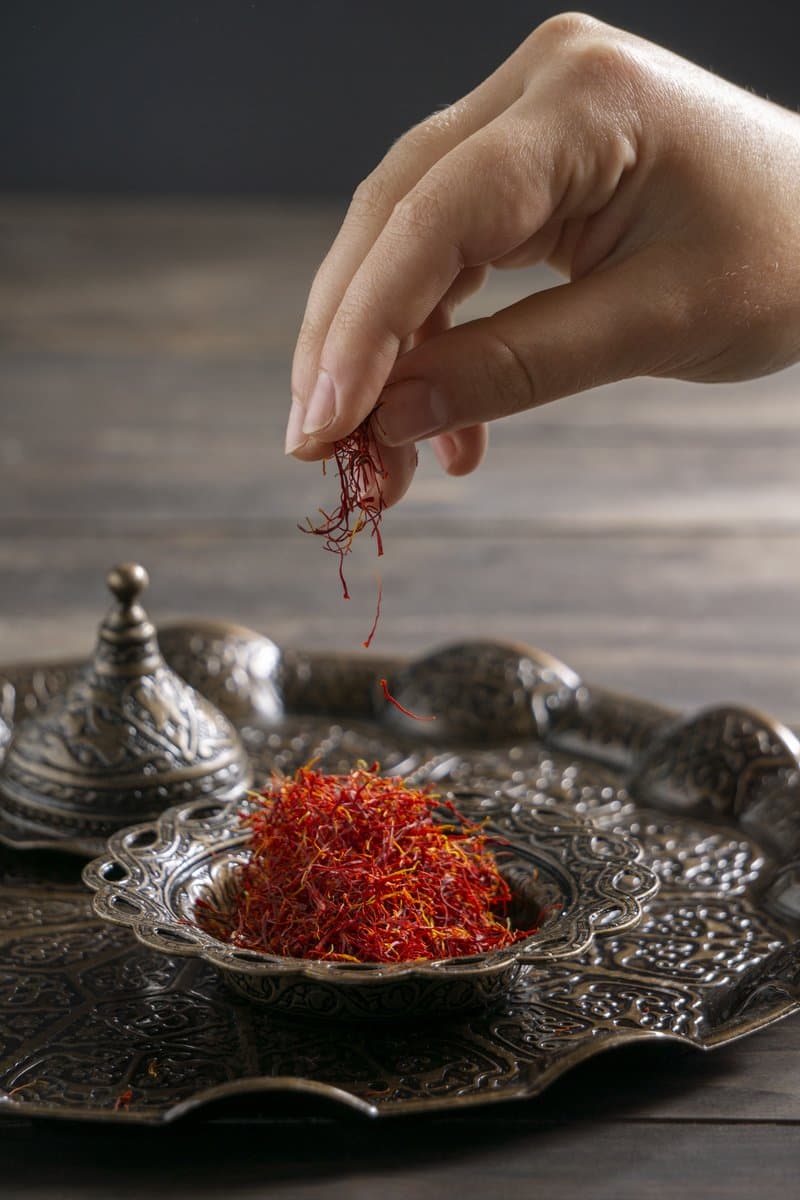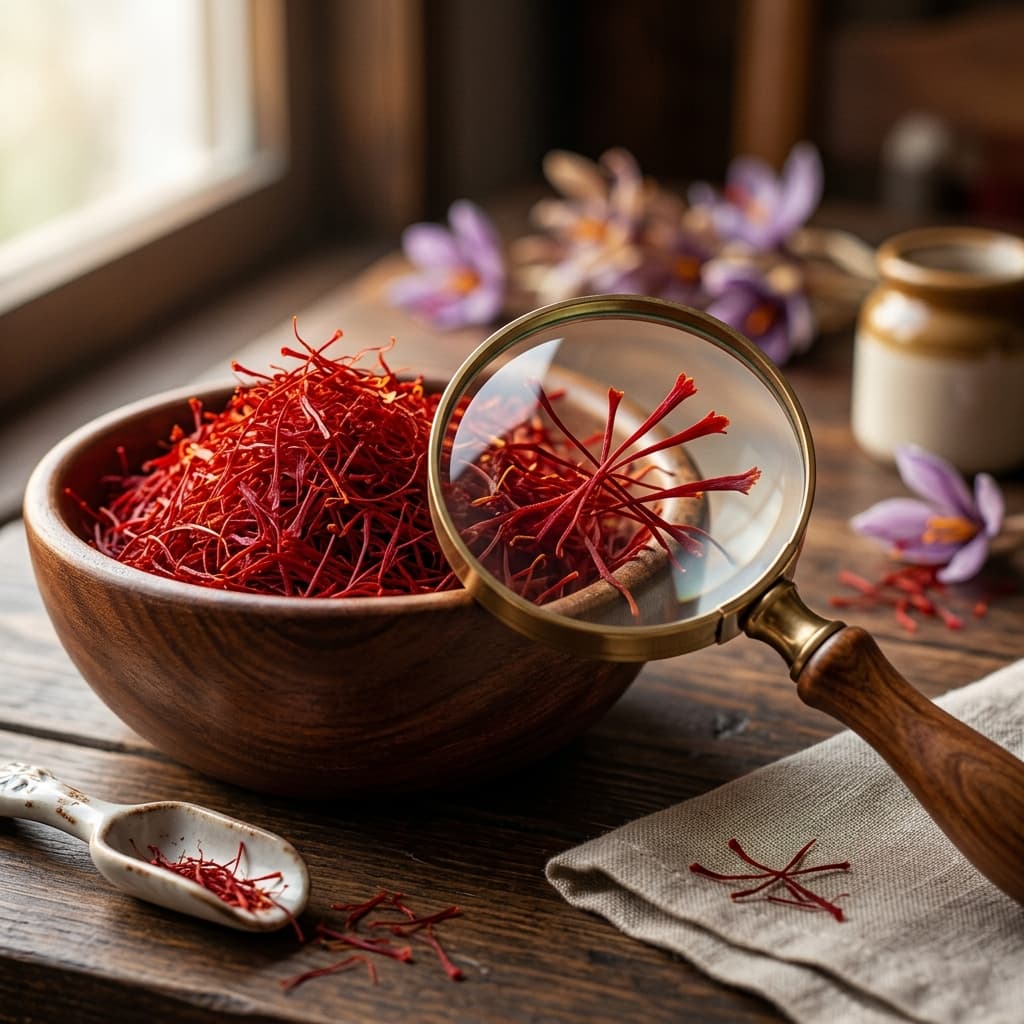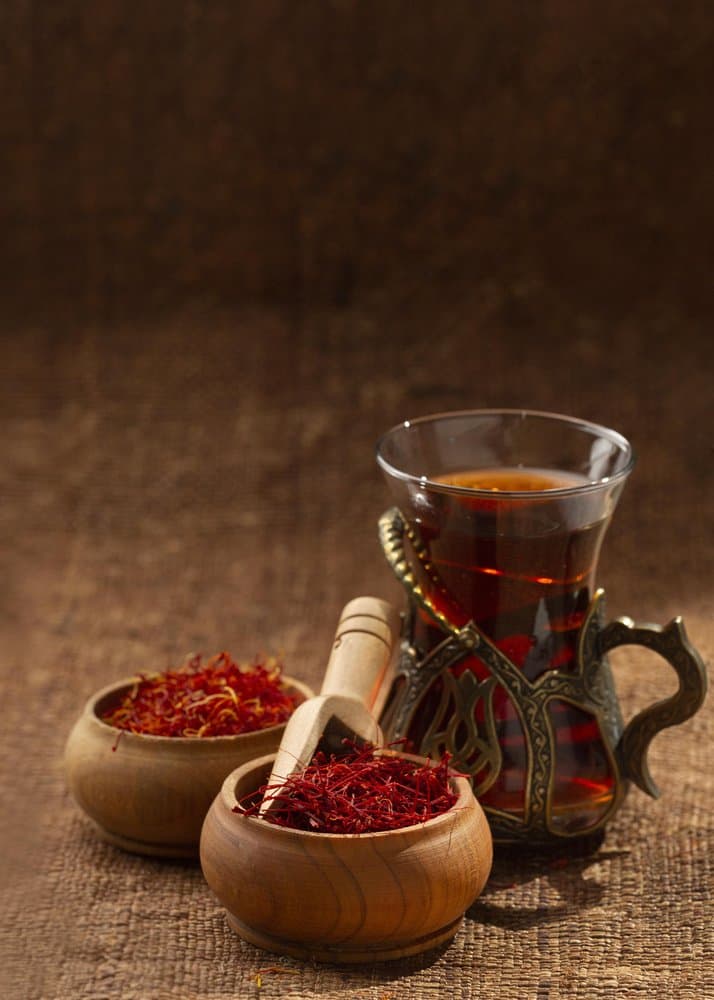
Three regions dominate the world’s premium saffron supply: Morocco, Iran, and Spain. Each produces saffron with distinct characteristics — different flavor profiles, different price points, different cultural and culinary traditions. This guide compares them honestly, without the marketing fluff, so you can choose the right saffron for your kitchen or business.
Quick Comparison Table
| Origin | Flavor Profile | Color (Crocin) | Aroma | Retail Price/g | AOP Region |
|---|---|---|---|---|---|
| Morocco (Taliouine) | Floral, honeyed, soft | Very high (220-280) | Sweet hay, herbal | $10-$18 | Yes (AOP since 2010) |
| Iran (Khorasan) | Bold, earthy, slightly bitter | Very high (200-260) | Strong, dried fruit | $8-$15 | Yes (Geographical Indication) |
| Spain (La Mancha) | Smoky, savory, intense | High (180-220) | Toasted, almost meaty | $15-$30 | Yes (DOP since 1999) |
Moroccan Saffron (Taliouine)
Grown almost exclusively in the small mountain town of Taliouine, in Morocco’s Anti-Atlas range, at altitudes of 1,200-2,000 meters. The combination of high elevation, dry climate, and calcium-rich soil produces saffron with a remarkably balanced profile.
Characteristics
- Flavor: Soft, floral, honey-sweet finish. Less bitter than Iranian.
- Color: Crocin levels routinely test 220-280 — among the highest in the world.
- Aroma: Sweet hay, dried meadow grass, mild iodine.
- Best for: Tagines, couscous, broths, delicate desserts, milk-based dishes.
Production Scale
Morocco produces only 5-7 tonnes annually — roughly 2% of global supply. Tiny by world standards, which is why authentic Moroccan saffron is harder to find but commands a quality premium when properly sourced. Most production is by women’s cooperatives like ours.
AOP Status
“Safran de Taliouine” received AOP (Appellation d’Origine Protégée) status in 2010. The designation legally restricts the name to saffron grown and processed in defined Taliouine-area villages, harvested by hand, dried within 24 hours.
Iranian Saffron (Khorasan)
Iran produces approximately 90% of the world’s saffron. The Khorasan region in northeastern Iran is the historic heartland, with Torbat-e Heydarieh and Ghaen being the most prized sub-regions.
Characteristics
- Flavor: Bold, earthy, with a pronounced bitter-sweet edge. More intense than Moroccan.
- Color: Very high crocin (200-260). Industry-standard “Negin” and “Sargol” grades represent the all-red, stem-free top tier.
- Aroma: Powerful, dried fruit, leather, slight smoke.
- Best for: Persian rice (chelo, tahdig), khoresh stews, Indian biryani, intense saffron-forward dishes.
Trade Complications
US sanctions on Iran complicate direct import. Much “Iranian saffron” sold in Western markets is re-exported through UAE, Spain, or Afghanistan — often relabeled. This makes traceability difficult and adulteration more common in non-Iranian sources claiming Iranian origin.
Spanish Saffron (La Mancha)
Grown in Castile-La Mancha in central Spain. Spanish saffron tradition dates to the Moorish period (9th-15th centuries) and remains tied to traditional artisan production.
Characteristics
- Flavor: Smoky, savory, with a deeply roasted character. The most “umami” of the three.
- Color: High crocin (180-220), generally below Moroccan and Iranian.
- Aroma: Toasted, almost meaty, due to traditional dry-roasting curing methods.
- Best for: Paella, fideuà, seafood dishes, Spanish stews. The classic application.
DOP Status & Production Issues
“Azafrán de La Mancha” has DOP (Denominación de Origen Protegida) status since 1999. Important caveat: Spain produces only 1-2 tonnes annually but exports far more — meaning much “Spanish saffron” is actually Iranian or Moroccan saffron repackaged. Look specifically for the DOP seal and producer name.
Which Should You Buy?
For everyday cooking and most recipes
Moroccan saffron from Taliouine. The balanced flavor doesn’t overpower delicate dishes, and the high crocin gives you maximum color per gram. Best value for quality at $10-$18/g.
For Persian and Indian cuisine
Iranian Khorasan saffron if you can find verified-origin product. The bolder profile suits the cuisine. If you can’t verify Iranian origin, Moroccan is an excellent substitute.
For Spanish dishes (paella specifically)
Spanish DOP saffron — but ONLY if it’s certified DOP from a named La Mancha producer. Otherwise you’re paying Spanish prices for re-imported product. A reliable Moroccan or Iranian saffron will give you better value.
For health/medicinal use
Highest crocin content matters most. Both Moroccan and top-grade Iranian saffrons consistently test highest. Look for ISO 3632 Category I certification with crocin values above 200.
How Crocus Sativus Adapts to Each Region
The same flower, three different terroirs, three different profiles. The dominant factors:
- Altitude: Higher altitude (Taliouine, Khorasan) = more concentrated active compounds.
- Soil: Calcium-rich Anti-Atlas soil produces the floral Moroccan profile. Iran’s high-iron clay soils produce earthier notes.
- Drying method: Spain uses heat-roasting (smoky). Morocco and Iran use shade-drying (preserves volatile aromatics).
- Climate: All three regions share dry summers, cool nights, and minimal rainfall during harvest — Crocus Sativus is fussy about these conditions.
Avoiding Counterfeits Across All Origins
All three regions have authentic premium product, and all three have rampant counterfeiting. Universal red flags:
- Price under $5/gram retail — virtually impossible for real saffron from any region
- No origin certification (AOP/DOP/GI) and no ISO 3632 grade
- Powdered form (95%+ adulteration rate)
- Unbranded packaging or “imported saffron” with no producer name
Read our 7 tests to verify authentic saffron for in-kitchen verification.
FAQ
Is Iranian saffron really the best in the world?
It’s the most-produced and the most-marketed, but “best” depends on application. For paella, Spanish DOP wins. For tagine, Moroccan wins. For Persian rice, Iranian wins. For pure crocin content, Moroccan often tops blind lab tests.
Why is Moroccan saffron more expensive than Iranian?
Production scale. Iran produces 90% of world supply at industrial scale; Morocco produces 2% almost entirely by hand in cooperatives. Higher labor cost per gram in Morocco translates to higher retail price.
Can you blend saffrons from different origins?
Yes — chefs sometimes blend Moroccan (color) and Spanish (smoke) for paella, or Moroccan and Iranian for biryani. AOP/DOP rules forbid blends from being sold under the protected name, but home cooking has no such restriction.
How can I verify origin claims?
Look for: AOP/DOP/GI seal on packaging, named region (Taliouine, Khorasan, La Mancha), producer name, lot number, harvest year, and ISO 3632 certificate. Authentic producers can provide all of these. Re-packagers cannot.
Try Authentic Taliouine Saffron
If you’ve never tried Moroccan saffron, our 1g and 2g vials let you compare side-by-side with whatever you’re using now. Direct from the cooperative, ISO 3632 Cat I, AOP-certified Taliouine origin, with full traceability documentation.