Morocco’s saffron industry is not just about producing a luxury spice. In the rural villages around Taliouine and Tazenakht, saffron cooperatives have become engines of economic development, social empowerment, and environmental sustainability. At Bakhchane Cooperative, we see these impacts firsthand every day. Here is the story of how the cooperative model is transforming lives in one of Morocco’s most remote regions.
The Cooperative Model
A cooperative is a collectively owned enterprise governed by its members on a one-person, one-vote basis. In the context of Taliouine saffron, each member family contributes land and labour to the collective effort, and shares in the revenues according to the quantity and quality of saffron they produce. The cooperative handles processing, grading, marketing, and export — functions that individual smallholders would never be able to manage on their own.
Before cooperatives became widespread in the region in the early 2000s, individual farmers sold their saffron to itinerant middlemen at whatever price was offered. They had no market information, no bargaining power, and no way to reach international buyers. The cooperative structure changed that equation fundamentally, giving farming families direct access to fair prices and global markets.
Women in Saffron: A Story of Empowerment
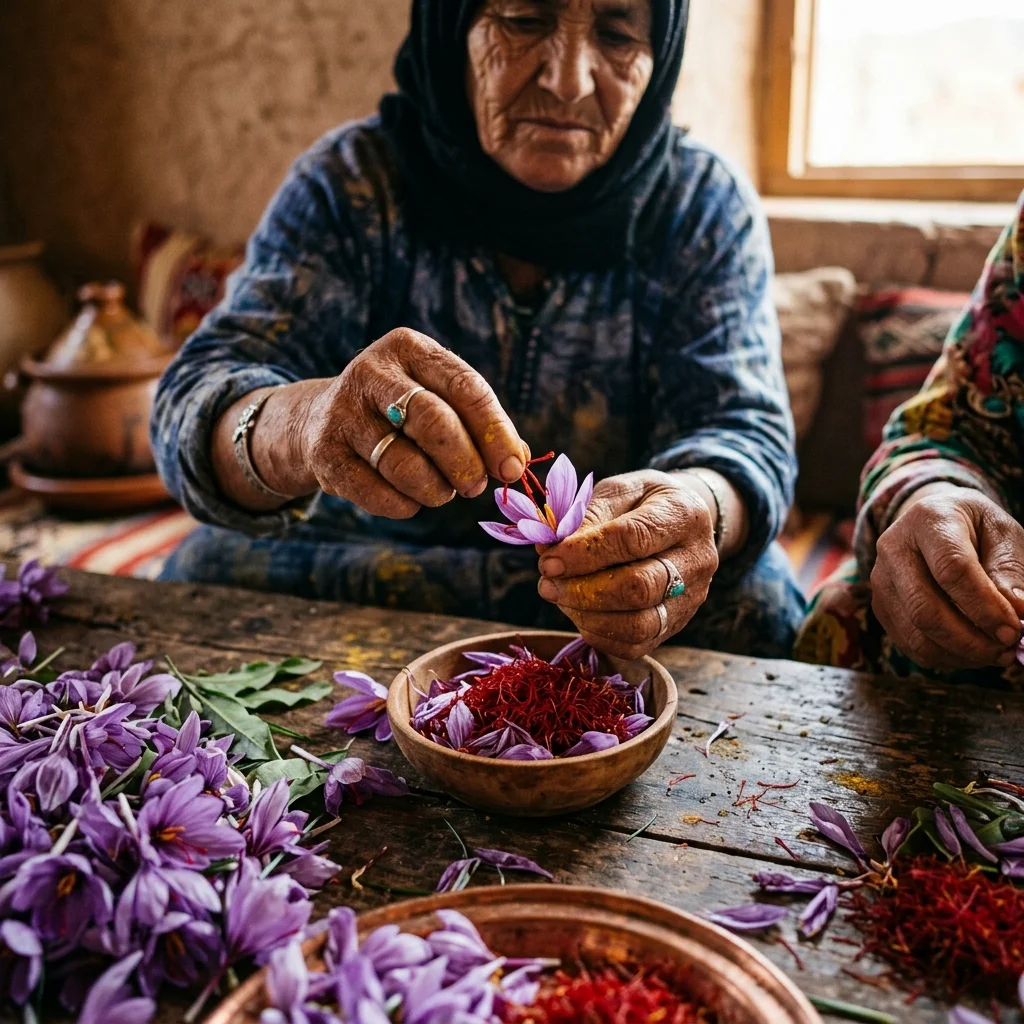
In the saffron fields and processing rooms of Taliouine, women do the majority of the work. They pick the flowers at dawn, separate the delicate stigmas by hand, and oversee the drying process. Despite this central role, women in rural Morocco have historically had limited economic independence and decision-making power.
Saffron cooperatives are changing that. At Bakhchane, women are full members with voting rights and a direct share of revenue. Several of our board positions are held by women, and we have established a dedicated women’s skills programme that provides training in quality control, packaging, bookkeeping, and digital literacy. For many women in our cooperative, their saffron income is the first money they have ever earned and controlled independently. The ripple effects — on family nutrition, children’s education, and community confidence — are profound.
Fair Trade Practices
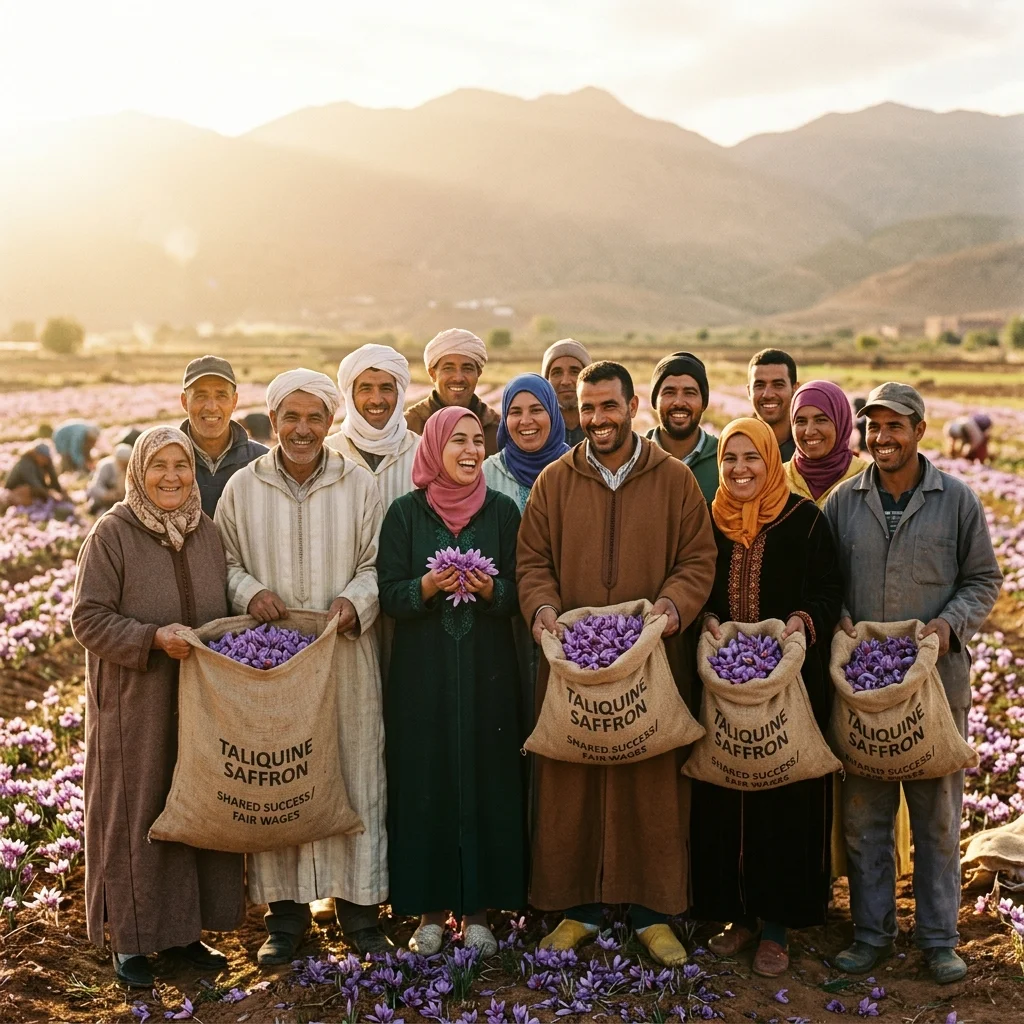
Fair trade is not just a label for us — it is the founding principle of the cooperative. Our pricing model guarantees member families a minimum floor price for their saffron regardless of market fluctuations. When international prices are high, farmers benefit fully. When prices dip, the cooperative absorbs the difference so that no family falls below a livable income.
We also reinvest a portion of our annual surplus into community projects. In recent years, cooperative funds have supported the construction of a village well, the purchase of school supplies for local children, and the installation of solar panels on the cooperative’s processing facility. These investments are decided collectively by the membership at our annual general assembly — a practice of democratic governance that strengthens social cohesion in the community.
Sustainability and Organic Farming
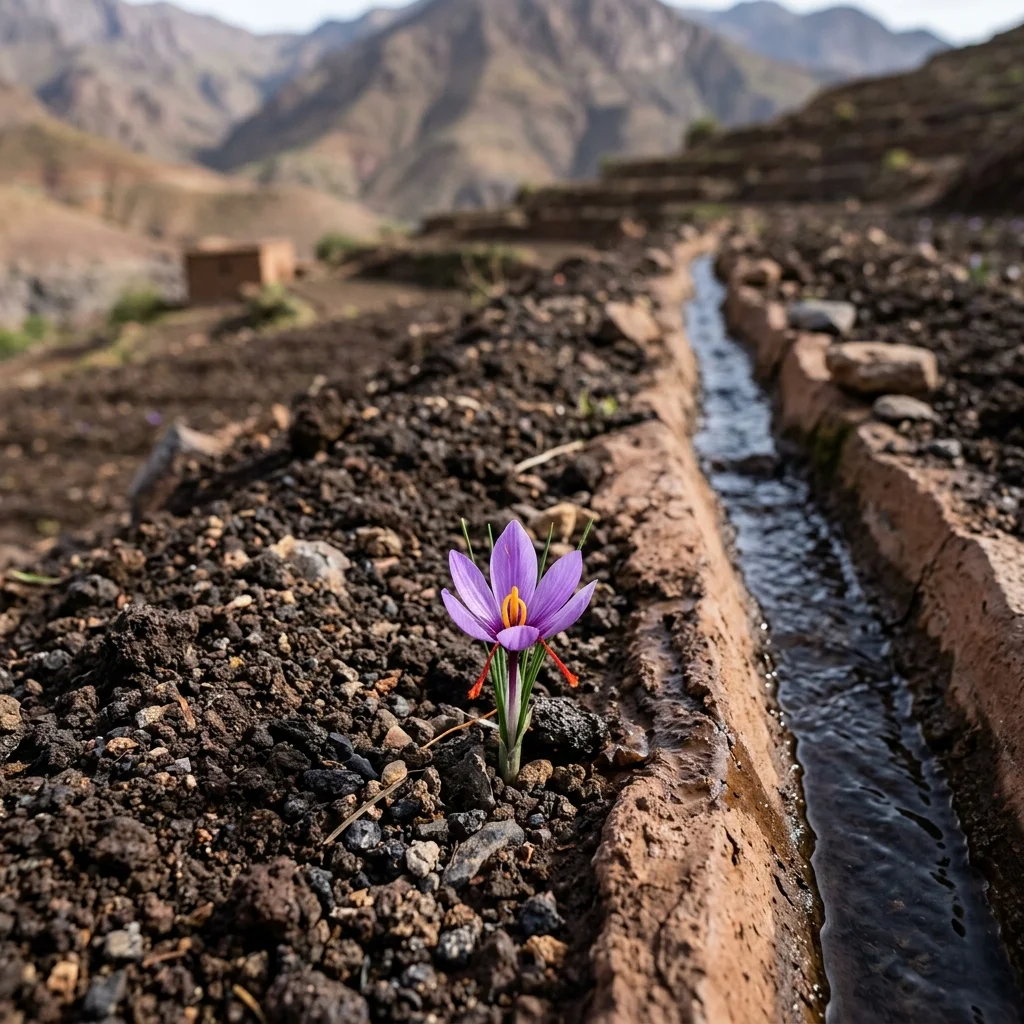
The saffron crocus is inherently a low-impact crop. It requires no pesticides (the plant has very few natural pests), minimal irrigation beyond natural rainfall, and thrives in the same soil for four to seven years before the bulbs need to be divided and replanted. At Bakhchane, we follow organic principles: no synthetic fertilisers, no chemical treatments, and composting of all plant waste back into the soil.
Water is precious in the Anti-Atlas. Our farming practices are designed to conserve it. The crocus grows during the cooler months when evaporation is lowest, and its deep root system is remarkably drought-tolerant. We are also working with agricultural researchers from Morocco’s INRA (National Institute of Agronomic Research) on bulb selection programmes to develop more resilient and higher-yielding crocus varieties — without resorting to genetic modification.
Climate change is a real concern for our region. Shifting rainfall patterns and rising temperatures could eventually alter the conditions that make Taliouine so ideal for saffron. We are responding by diversifying our agricultural practices, experimenting with shade-growing techniques, and building water storage infrastructure to buffer against dry years.
Bakhchane’s Impact
Since our founding, Bakhchane Cooperative has grown to include dozens of farming families cultivating saffron across the Taliouine plateau. Our combined annual production supplies both domestic and international markets, with exports reaching Europe, the Gulf states, North America, and East Asia. The cooperative provides stable employment during the harvest season and year-round work in processing, quality control, administration, and sales.
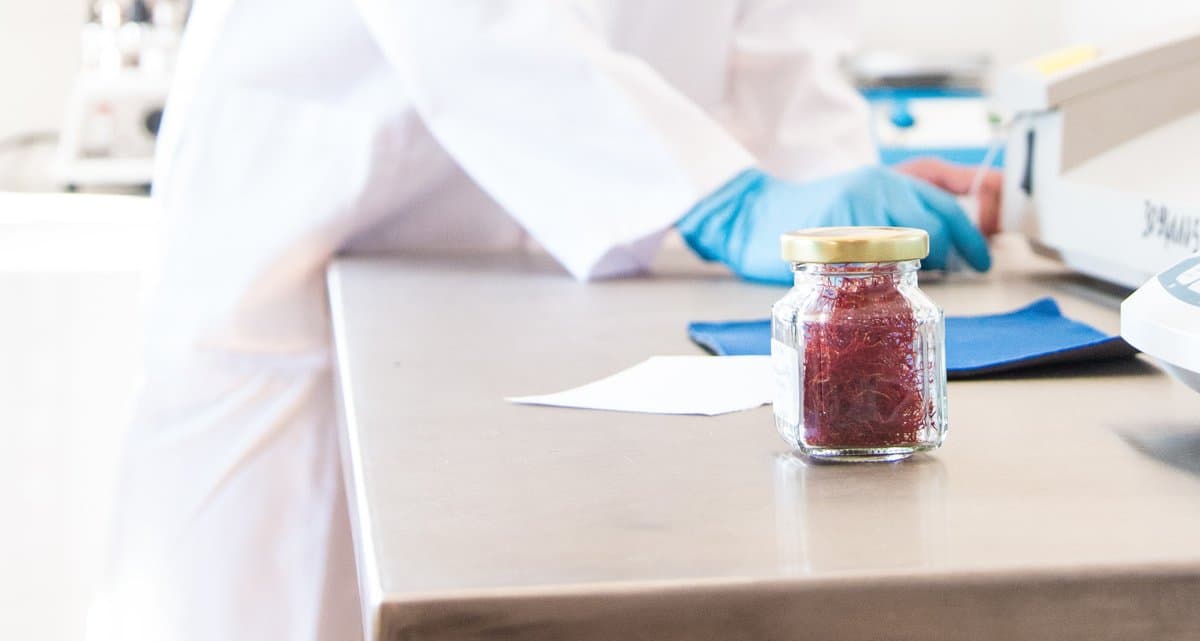
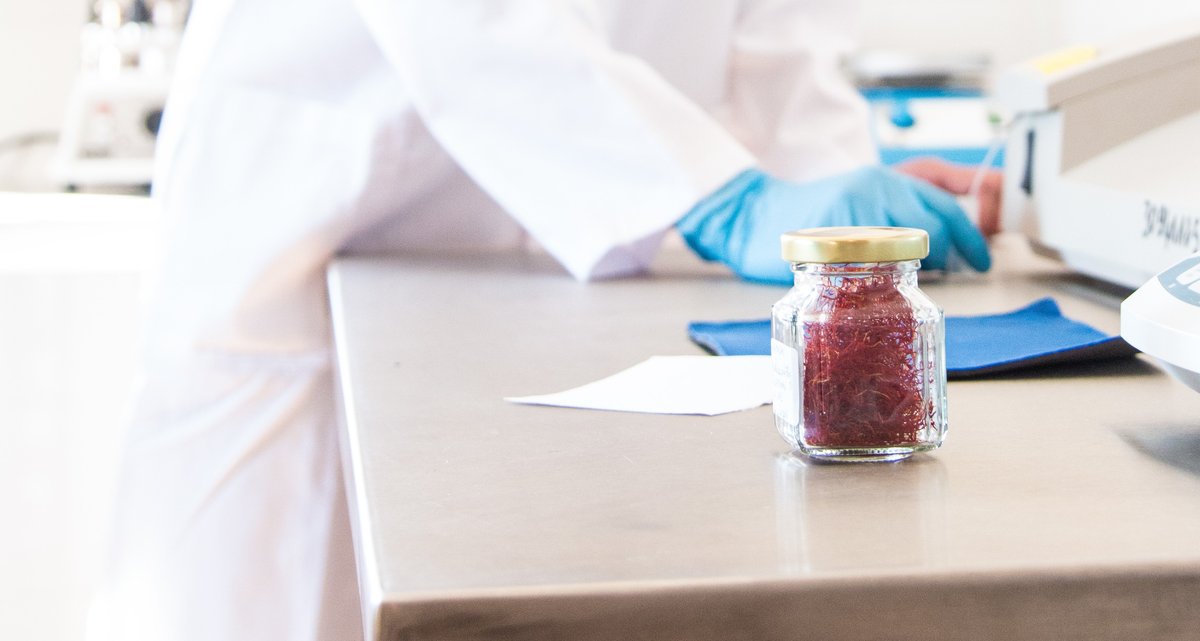
We have invested in a modern processing facility with controlled-temperature drying rooms, a dedicated grading and packaging area, and a small laboratory for in-house quality checks. This infrastructure not only improves the quality of our product but also provides a professional working environment for our members — a far cry from the informal, ad-hoc processing that characterised the industry before the cooperative era.
How You Can Support
Every purchase of Bakhchane saffron is a direct investment in rural Moroccan communities. When you buy from us, you are supporting fair wages, women’s empowerment, sustainable agriculture, and the preservation of a centuries-old cultural tradition. There are no middlemen taking a cut — the value flows directly from your table to our fields.
Beyond purchasing, you can support by spreading the word. Share our story with friends who love to cook, with chefs who care about sourcing, and with anyone who believes that the story behind a product matters as much as the product itself.
Read the full story of Bakhchane Cooperative, or contact us to discuss wholesale partnerships, press enquiries, or visit requests. We welcome anyone who wants to see firsthand how saffron can be a force for good.