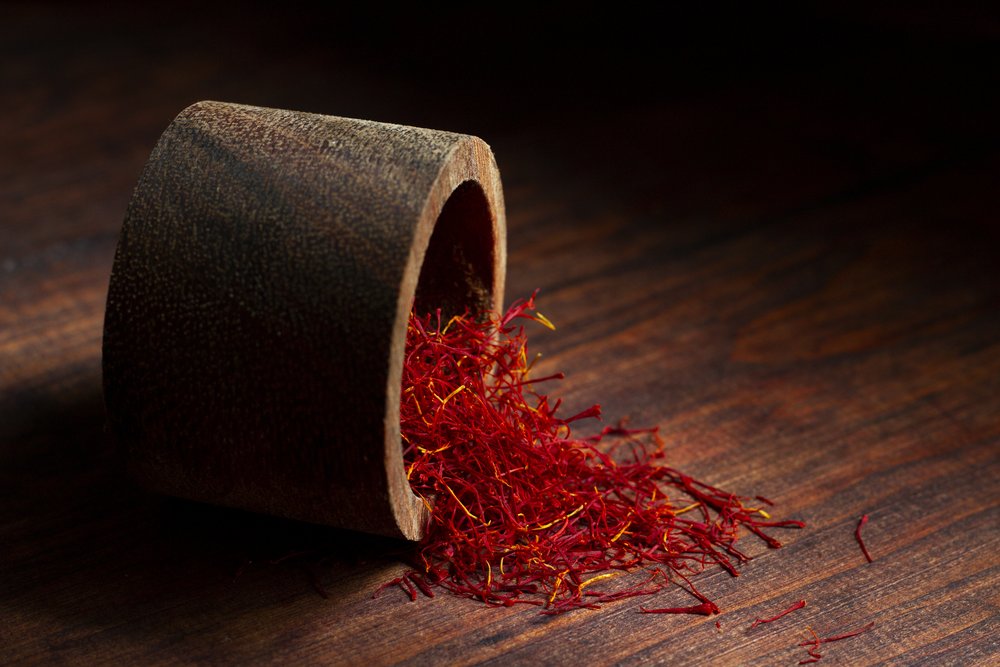
Saffron is the most expensive spice in the world by weight, and that value makes it a prime target for fraud. The European Commission estimates that saffron is among the top ten most adulterated foods globally. As consumers become more interested in cooking with real saffron, it is essential to know how to spot the fakes. At Bakhchane Cooperative, we believe transparency is the best protection — so here is everything you need to know.
Why Saffron Fraud Exists
A single kilogram of genuine saffron requires roughly 150,000 to 200,000 hand-picked crocus flowers. The labour alone makes the spice expensive. Wholesale prices for premium Moroccan saffron typically range from 3,000 to 6,000 euros per kilogram depending on grade and market conditions. That price differential creates an enormous financial incentive for dishonest traders to adulterate or counterfeit the product.
Common adulterants include safflower petals (often labelled “Mexican saffron”), dyed corn silk, shredded coconut fibre dyed red, and even paper fibres. Powdered saffron is especially vulnerable because the adulterants are invisible once ground. This is why experienced buyers almost always purchase whole threads.
Visual Inspection
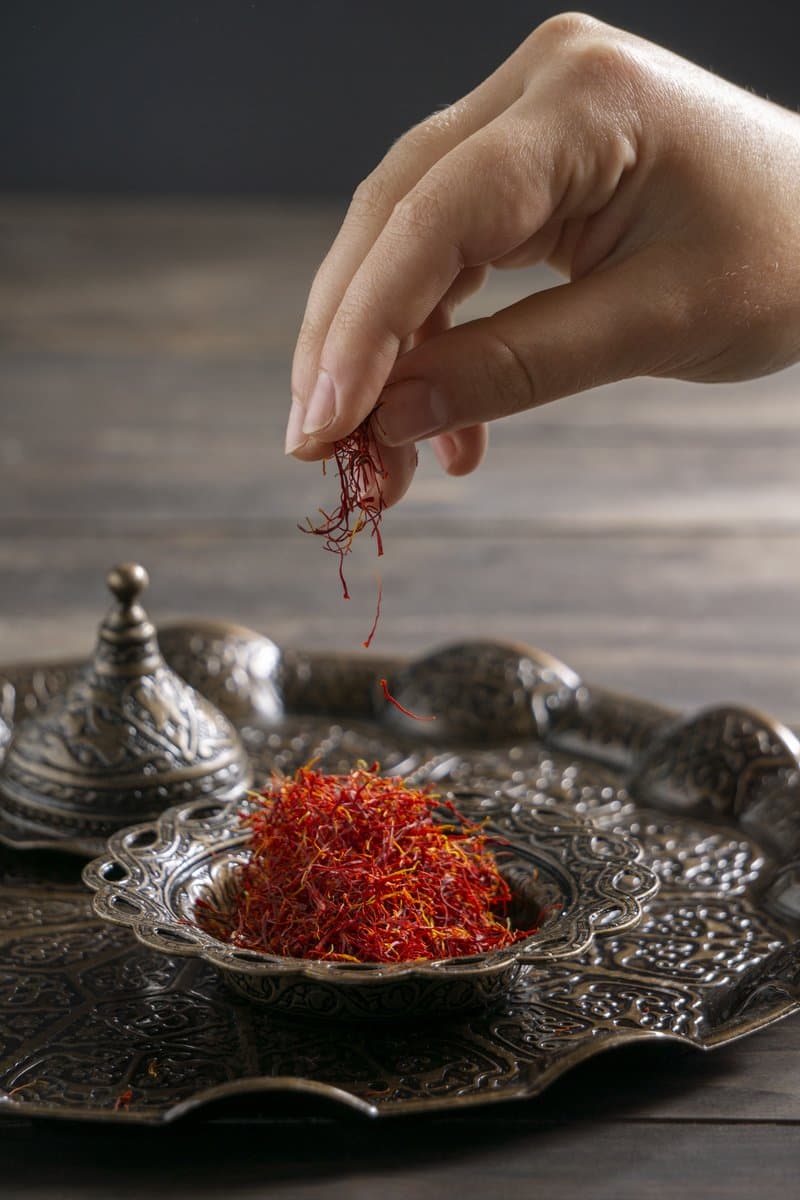
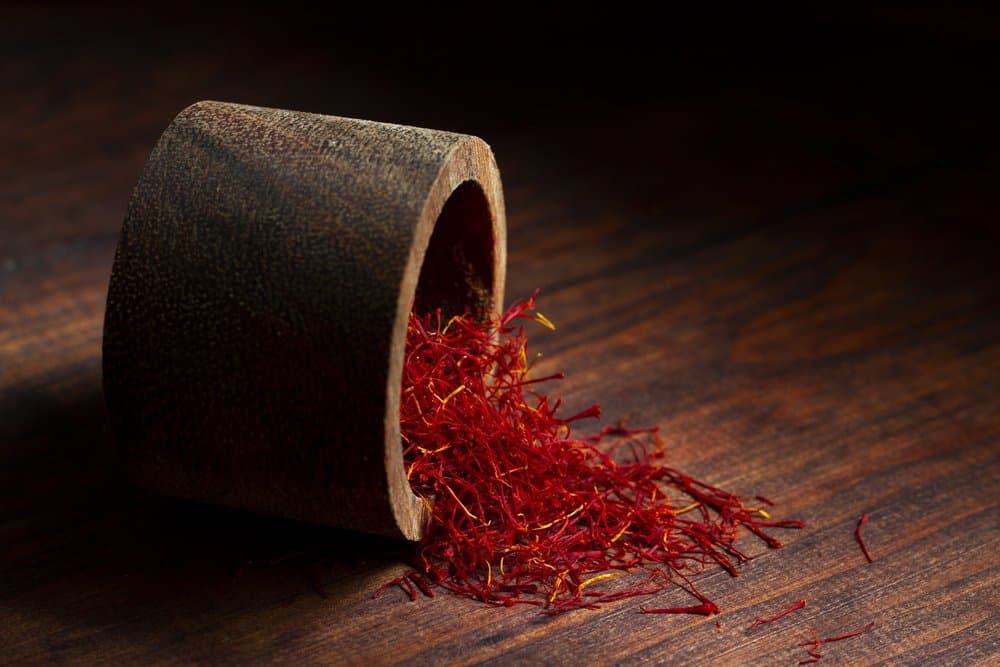
Genuine saffron threads are trumpet-shaped, widening slightly at one end. Each thread is a single stigma from the crocus flower. The colour should be a deep crimson red along most of the length, transitioning to a lighter orange or yellow near the base where the stigma was attached to the style. If every thread is uniformly dark red from tip to base, the saffron may have been dyed.
The threads should be dry and brittle, snapping cleanly when bent. If they feel moist, pliable, or sticky, moisture may have been added to increase weight — a common trick that also accelerates spoilage. High-quality saffron like our Grade I Negin or Sargol cuts will have minimal yellow style attached, indicating careful processing.
The Water Test
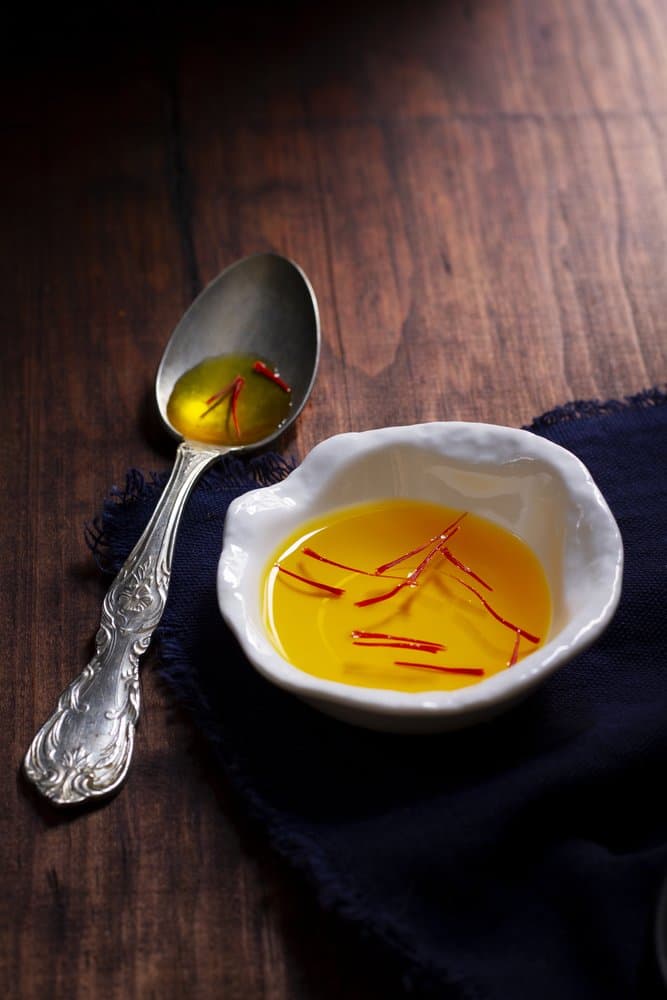
Place a few threads of saffron in a small cup of warm (not boiling) water. Genuine saffron releases its golden-yellow colour slowly over 10 to 15 minutes. The threads themselves will retain much of their red colour even after soaking. If the water turns red immediately, or if the threads lose all colour quickly and turn white or translucent, the product is likely dyed. Dyed adulterants release artificial colour almost instantly and lose their hue completely.
Another telltale sign: genuine saffron water will be golden-yellow to deep amber, never red or pink. The crocin pigment in real saffron is a carotenoid that dissolves to produce warm yellow tones, not crimson.
The Aroma Test
Real saffron has a complex, unmistakable aroma — often described as honey-like, slightly metallic, with hints of hay and earth. The scent compound safranal is responsible for this signature. If the saffron smells sweet like nothing in particular, or has no smell at all, it may be fake or very old and degraded. Crush a thread between your fingers: the aroma should intensify immediately. If you detect a chemical or plasticky smell, the threads may have been treated with artificial dye.
Understanding ISO 3632 Grading
The international standard ISO 3632 classifies saffron into three categories based on laboratory measurements of crocin (colour strength), picrocrocin (bitterness/flavour), and safranal (aroma). Category I is the highest grade, requiring minimum values of 190 for crocin, 70 for picrocrocin, and 20–50 for safranal.
Reputable producers will state the ISO category on their packaging. At Bakhchane Cooperative, our saffron consistently grades as Category I, with crocin values frequently exceeding 250. We include laboratory certificates with wholesale orders so that buyers can verify independently.
Be cautious of sellers who advertise “premium” or “Grade A” saffron without referencing ISO 3632 — those terms have no standardised meaning and are sometimes used to dress up inferior products.
Where to Buy Trusted Saffron
The most reliable approach is to buy directly from a certified source. Cooperatives like Bakhchane offer end-to-end traceability: we grow, harvest, dry, grade, and package our saffron in Taliouine, Morocco, under ONSSA oversight and with AOP certification. Every package we sell contains whole threads (never powder) and carries a harvest year so you know exactly how fresh it is.
If you are buying from a retail store, look for transparent packaging that lets you see the threads, an origin statement, ISO 3632 category, and a realistic price. Remember: if a deal seems too good to be true, it almost certainly is.
Explore our range of laboratory-tested saffron products and taste the difference that authenticity makes.