The journey from a small purple flower to the crimson threads in your spice jar is one of the most labour-intensive processes in agriculture. At Bakhchane Cooperative in Taliouine, Morocco, the saffron harvest is both a seasonal ritual and a source of deep community pride. Here is how it unfolds, step by step.
The Harvest Season: October to November
The saffron crocus (Crocus sativus) flowers for only two to three weeks each year, typically from late October through mid-November in Taliouine. The exact timing depends on autumn rainfall and overnight temperatures. When the first cool rains arrive after the long summer drought, they trigger the dormant bulbs buried 15 to 20 centimetres underground. Within days, slender green shoots push through the rocky soil, followed by the delicate purple flowers.
This narrow window means the entire cooperative — men, women, and older children — mobilises simultaneously. There is no second chance: a flower that is not picked today may drop its petals tomorrow, exposing the precious stigmas to sunlight and wind that degrade their quality.
Picking at Dawn
Harvesting begins before sunrise, often around 5:30 in the morning, while the air is still cool and the flowers are closed or just beginning to open. Closed flowers protect the stigmas from dew and sunlight, preserving their volatile aromatic compounds. Workers move through the rows in a low crouch, pinching each flower at the base of the stem and placing it gently into a wicker basket.
An experienced picker can gather around 500 to 700 flowers per hour, though the pace depends on the density of blooming in any given field. By mid-morning, when the sun warms the fields and the remaining flowers begin to open wide, picking stops. The baskets are carried back to the cooperative’s processing rooms — large, clean, well-ventilated spaces where the next critical steps take place.
Separating the Stigmas
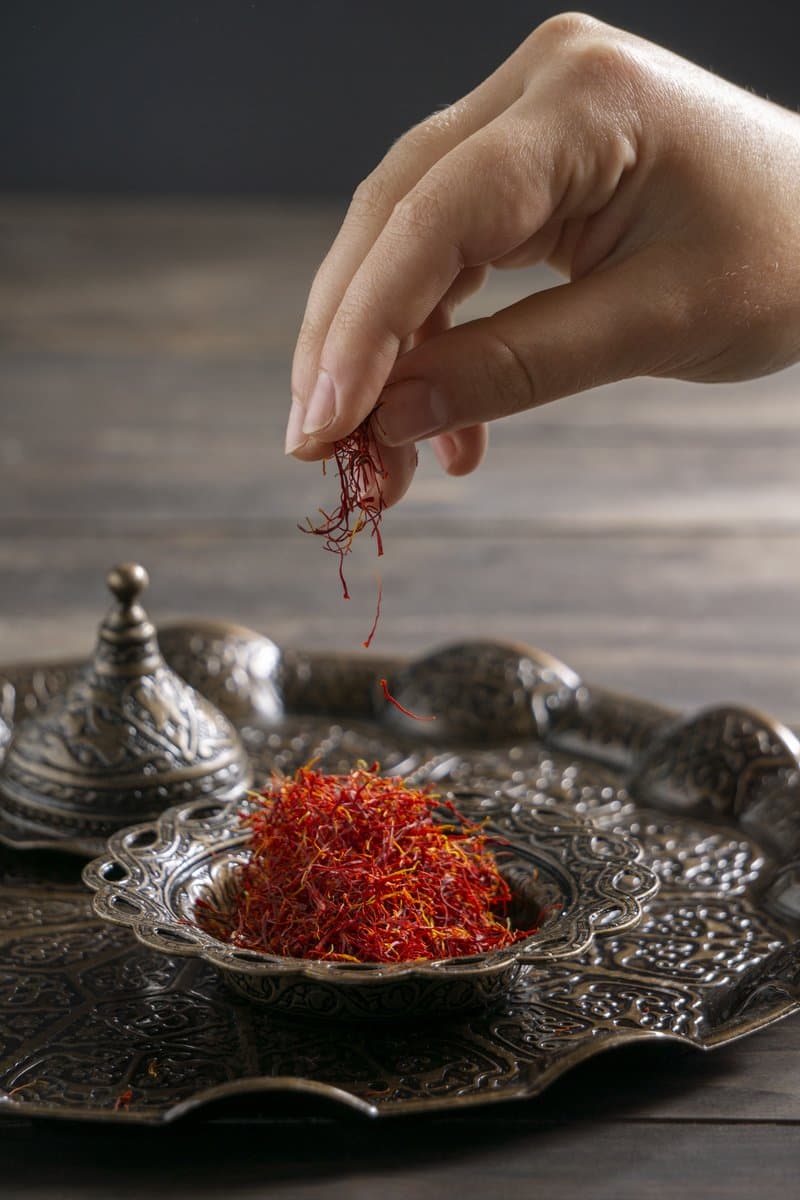
Each crocus flower contains exactly three red stigmas, joined at their base to a pale yellow style. Separating the stigmas — known locally as “émondage” — is perhaps the most delicate task in the entire process. Workers, predominantly women from the cooperative’s member families, sit around low tables and pull the three stigmas from each flower using only their fingertips. No tools are used; metal tweezers could crush the fragile threads.
The grade of the final product depends partly on how much of the yellow style is left attached. For our highest grade — Super Negin — only the vivid red tips are kept, with virtually no yellow. Sargol grade includes slightly more of the thread but still no style. Pushal grade retains the full stigma including part of the yellow style, offering a more economical product with slightly lower colour intensity.
Speed matters: the stigmas must be separated on the same day the flowers are picked. Leaving flowers overnight causes them to wilt and ferment, which ruins the saffron. On a peak harvest day, the cooperative may process upwards of 50,000 flowers before evening.
The Drying Process
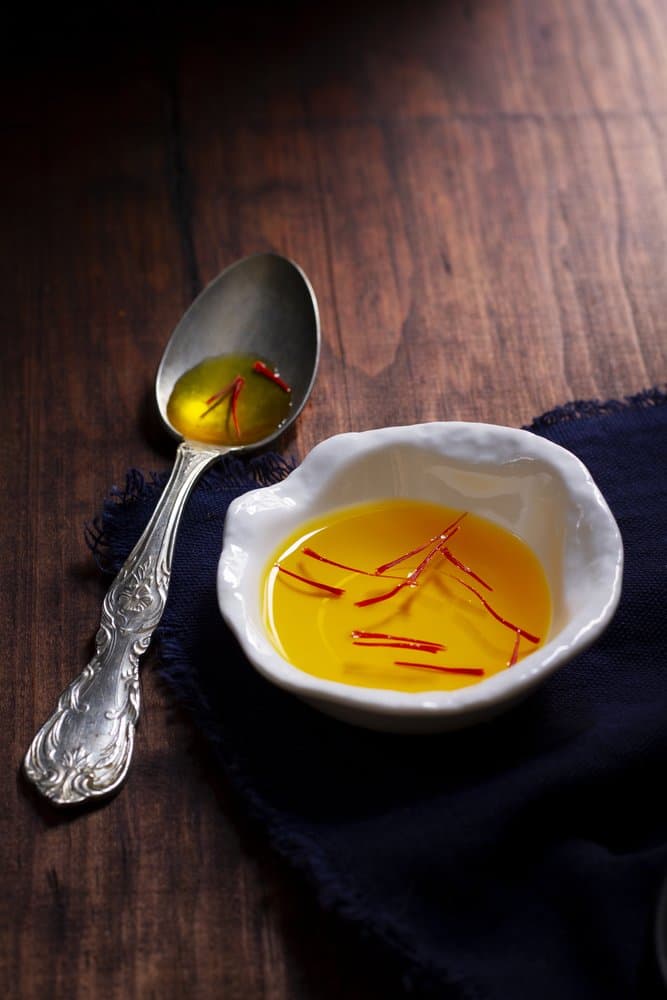
Fresh stigmas contain roughly 80 percent moisture. Drying reduces this to below 12 percent, concentrating the flavour compounds and ensuring a shelf life of two to three years when stored properly. The traditional method in Taliouine is gentle air-drying over charcoal embers — not open flame, but the mild radiant warmth of a low brazier set beneath a fine mesh screen.
At Bakhchane Cooperative, we use a controlled low-temperature drying room that keeps the air between 35 and 45 degrees Celsius with steady ventilation. This modern method gives us consistent results without the risk of scorching that can occur with open charcoal. The drying takes 25 to 40 minutes, during which the threads are turned several times. When finished, they are brittle, intensely aromatic, and weigh roughly one-fifth of their fresh weight. It takes about 150,000 flowers — and hundreds of hours of hand labour — to produce a single kilogram of dried saffron.
From Cooperative to Your Table
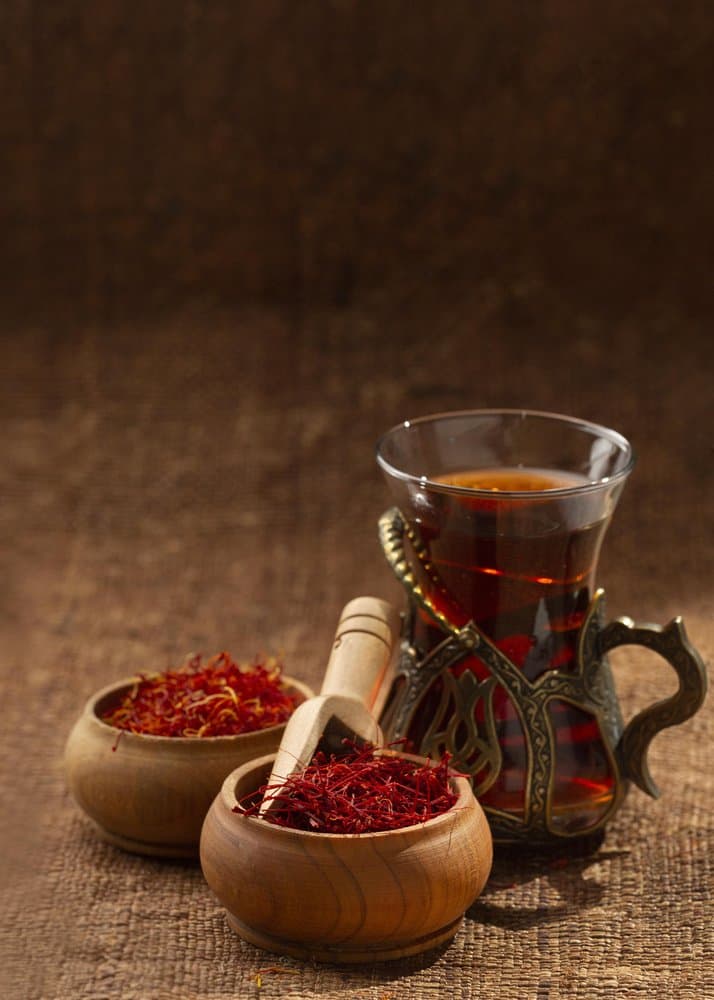
After drying, the saffron is sorted by grade, weighed, and sealed in airtight containers away from light. Samples from each lot are sent to an accredited laboratory for ISO 3632 analysis, verifying that the crocin, picrocrocin, and safranal values meet Category I standards. Only after passing these tests is the saffron approved for packaging and sale.
We pack our saffron in light-proof, airtight tins and glass jars ranging from one gram for home cooks to 500-gram bulk packs for professional buyers. Every package carries the harvest year, the AOP Taliouine seal, and our ONSSA certification number. From field to final seal, the entire process stays within our cooperative — no middlemen, no blending with outside saffron, no compromise.
Learn more about our cooperative and the families who make this remarkable spice possible, or shop our current harvest to bring a piece of Taliouine to your kitchen.